How telehealth TRT actually works, step by step
By Sarah · Updated 2026-07-14
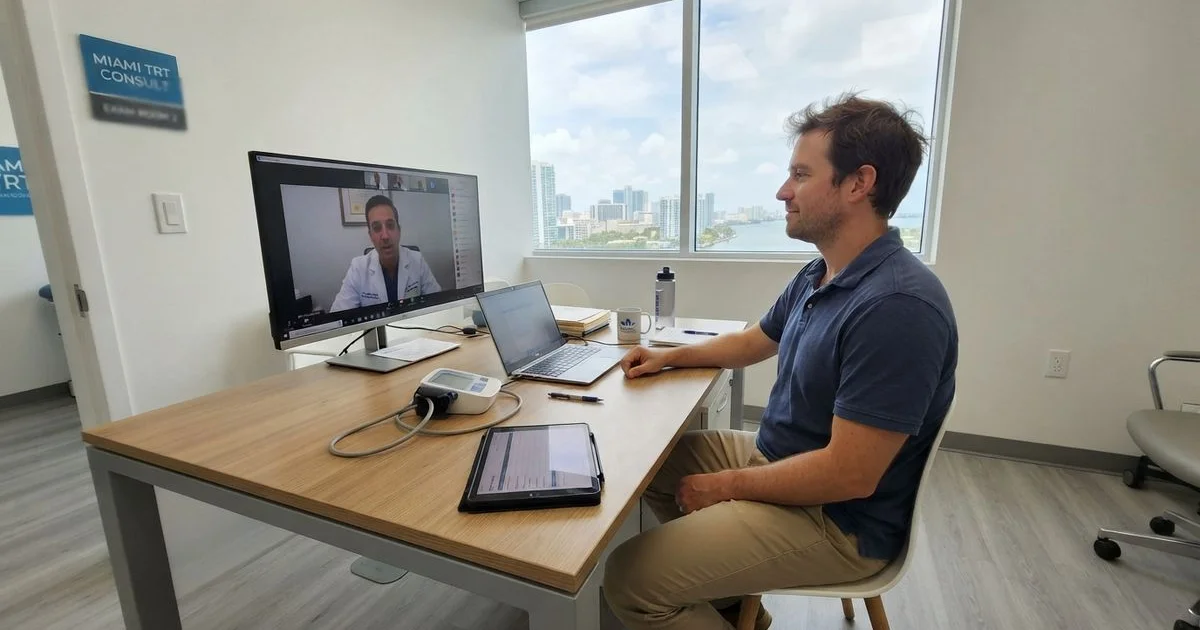
Telehealth testosterone therapy removes most of the in-person visits from traditional TRT, but it isn’t a shortcut around the medical process, the same diagnostic and monitoring steps still happen, just through a screen and a mailed lab kit instead of a waiting room. Here’s what the process actually looks like from booking to ongoing refills.
Step 1: Initial intake and video consultation
You start with an online intake form covering your symptoms, medical history, and current medications, followed by a live video or phone consultation with a licensed provider. This step isn’t skipped or automated. A real clinician reviews your history and asks follow-up questions, similar to an in-person visit, just without the drive.
Step 2: Lab work, done remotely
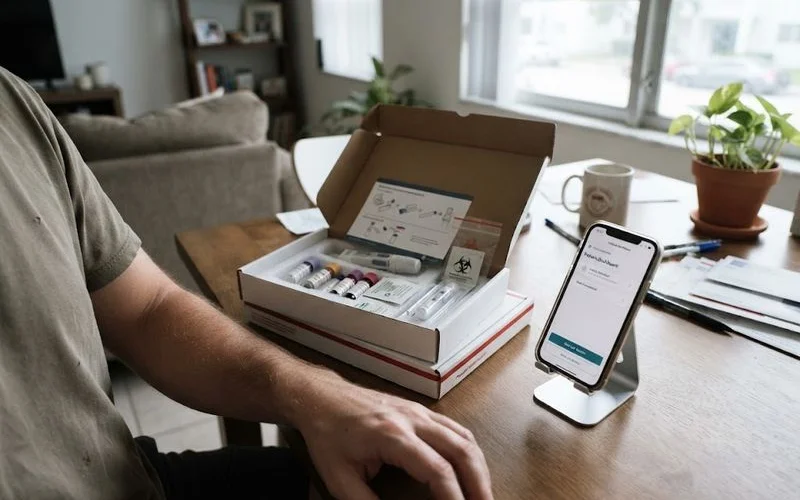
Since telehealth removes the in-office blood draw, providers route this step one of two ways: a requisition for a local lab or diagnostic center near you, or an at-home collection kit mailed directly to your door with prepaid return shipping. Either way, the same panel gets checked: total and free testosterone, LH, FSH, estradiol, PSA, and a complete blood count. Results typically upload to the platform within a few business days.
You can compare telehealth and online TRT providers serving Miami to see how each one structures this step, since lab logistics vary meaningfully between platforms.
Step 3: Results review and treatment plan
Once labs are back, a provider reviews them, usually in a follow-up video call or a detailed written summary through the platform’s messaging system, and proposes a treatment plan: delivery method, starting dose, and how often you’ll need follow-up labs. This is the point where you’ll discuss whether self-injection, a topical gel, or another delivery method fits your situation, since telehealth platforms typically ship whatever you and your provider land on.
Step 4: Medication delivery and ongoing refills
| Stage | What happens |
|---|---|
| Prescription sent | Provider sends your prescription to a partner pharmacy |
| Medication shipped | Arrives by mail, often with supplies like needles and alcohol swabs included |
| Refill cadence | Usually monthly or quarterly, tied to your subscription |
| Dose changes | Adjusted remotely based on follow-up labs, no office visit needed |
Most platforms set refills to auto-ship on a schedule unless you pause or cancel, so it’s worth understanding the cancellation process upfront rather than after you’re locked into a shipment.
Step 5: Ongoing monitoring
Follow-up labs continue on a schedule, typically every three to six months depending on your protocol and how stable your levels are. This is where telehealth TRT and in-clinic TRT converge again: the monitoring cadence doesn’t get lighter just because the visits are remote, since the same safety concerns, like elevated hematocrit or estrogen changes, apply regardless of delivery format.
What to watch for when choosing a platform
Not all telehealth TRT platforms are equally thorough. The ones worth trusting require real baseline labs before prescribing, offer a genuine consultation with a licensed provider rather than a checkbox questionnaire, and stay reachable if you have questions or side effects between scheduled visits. If a platform seems willing to prescribe without reviewing your bloodwork first, that’s a signal to look elsewhere.
Who telehealth TRT fits best
Telehealth suits patients with a stable, well-understood case: a confirmed low-T diagnosis, no complicating health conditions, and a preference for handling appointments around a work schedule rather than taking time off for an in-person visit. It’s less ideal if you want a hands-on physical exam at every visit, or if your case is complex enough that a provider might want to see you directly, for example if you’re managing another condition alongside low testosterone that benefits from in-person evaluation.
If you’re unsure which format fits, most telehealth platforms will do the initial consultation regardless, and you can always switch to an in-person clinic later if your situation calls for it. Your existing labs and treatment history typically transfer over without needing to start from scratch.
Cost is usually the other half of this decision alongside convenience, since subscription pricing and pay-per-visit clinic pricing add up differently over a year. You can review the full Miami TRT directory and see our methodology for how we evaluate and score both telehealth and in-clinic providers.
FAQ
- Do I need to go anywhere in person for telehealth TRT?
- Usually just for lab draws, and even those are often handled through a local partner lab or an at-home kit mailed to you, rather than a clinic visit. The consultations themselves happen by video, phone, or messaging.
- How does the medication actually get to me?
- Most telehealth TRT providers work with a pharmacy that ships your prescription directly to your address, often on a recurring schedule so refills happen automatically unless you cancel or pause.
- Can a telehealth provider actually prescribe testosterone, a controlled substance?
- Yes, licensed providers can prescribe testosterone through telehealth in most cases, following the same controlled substance prescribing rules that apply to any licensed prescriber, including required identity verification and, depending on current regulations, sometimes an initial in-person or live video evaluation.
- What happens if my labs come back needing a dose change?
- Your provider reviews the results remotely and adjusts your prescription accordingly, usually communicated through the platform's messaging system or a follow-up video call, without requiring you to come in.