What to expect at your first TRT consultation
By Sarah · Updated 2026-07-10
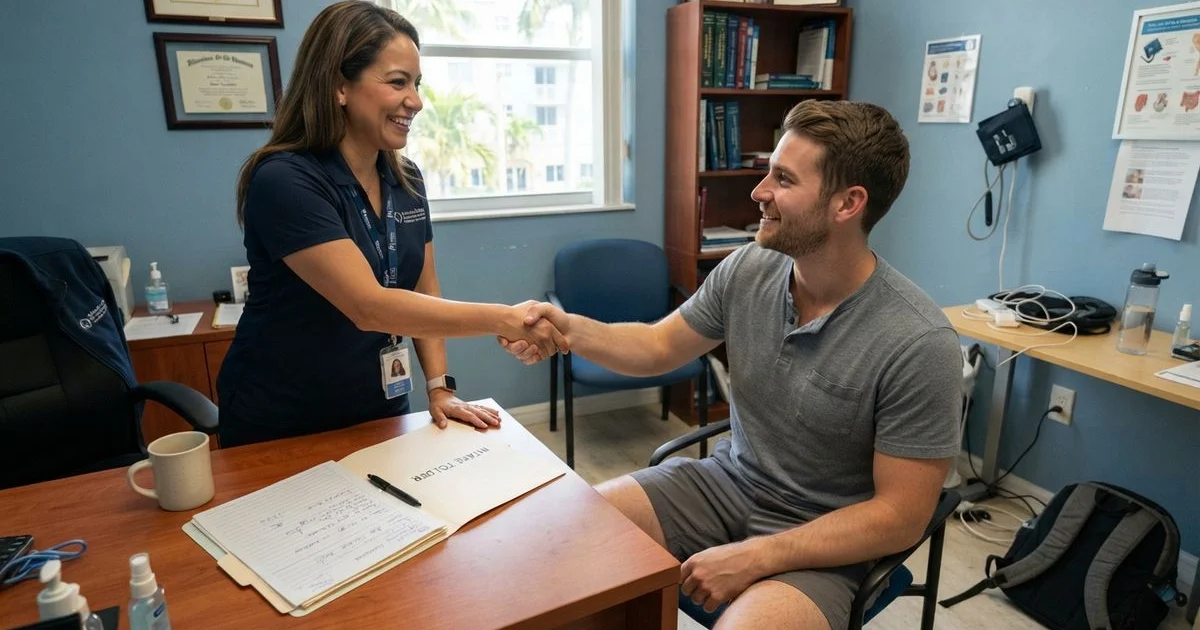
The first visit to a testosterone replacement therapy clinic is mostly information gathering, not treatment. If you’re picturing walking out with a prescription in hand, that’s not usually how it works, and knowing that ahead of time makes the visit less confusing. This walkthrough covers what a typical first visit looks like across TRT providers in Miami, so you know what’s normal and what’s worth asking about.
Before you go
Most clinics send intake paperwork ahead of time covering your medical history, current medications, and symptoms. Filling this out in advance, rather than in the waiting room, gives the provider more to work with and speeds up the actual conversation. If you’ve had any testosterone or hormone testing done previously, even years ago, bring those results. They give the provider a baseline to compare against, not just a single snapshot.
What the consultation itself covers
A thorough initial consultation typically walks through your symptom history in detail, not just a checklist. Expect questions about energy, sleep, mood, sex drive, and any changes in body composition, along with questions that seem unrelated at first, like your alcohol use, sleep patterns, and stress levels, because those can produce symptoms that mimic low testosterone. A good provider is trying to rule those out, not just confirm what you already suspect.
You’ll also cover your goals. Someone hoping to address fatigue and low libido may end up with a different monitoring plan than someone primarily concerned about fertility preservation, and saying that upfront shapes the rest of the conversation.

Bloodwork: same day or scheduled separately
Depending on the clinic, blood may be drawn during the same visit or scheduled for a separate appointment, sometimes at a local lab partner. A thorough baseline panel covering total and free testosterone, LH, FSH, estradiol, PSA, and a complete blood count to check hematocrit is what most clinics run, since those baseline numbers become the reference point for every future adjustment.
What happens after labs come back
| Step | What it involves |
|---|---|
| Results review | Provider walks through what each number means for you specifically |
| Diagnosis discussion | Confirms whether levels support a low-T diagnosis, and whether it’s primary or secondary |
| Protocol proposal | Delivery method, starting dose, and monitoring schedule |
| Questions and consent | Chance to ask about risks, cost, and alternatives before starting |
This is usually a second appointment, sometimes a phone or video call rather than an in-person visit, especially at telehealth-oriented clinics. Give the clinic a realistic window for this: turnaround on baseline labs commonly takes a few business days, and a rushed same-day diagnosis without waiting for full results is worth questioning rather than welcoming as a convenience.
What separates a good first visit from a rushed one
Reviews of local clinics repeatedly highlight personalized, unhurried consultations as one of the clearest signs of quality care: patients specifically mention providers who explain lab results and dosing reasoning rather than handing over a standard starting protocol. On the other side, a small number of complaints describe dismissive staff or an experience that felt more transactional than clinical. If your first visit feels rushed, or nobody can explain why a particular delivery method or dose is being suggested, that’s a reasonable moment to get a second opinion before committing.
Questions worth bringing with you
A short list of questions helps you get more out of the visit and signals to the provider that you want a real explanation, not a template. Worth asking: what does my testosterone number mean relative to a normal range for my age, why is this specific delivery method being recommended over the alternatives, what does the full monitoring schedule look like over the first year, and what happens if my labs come back needing an adjustment. A provider who answers these clearly and specifically, rather than in vague reassurances, is a good early signal about how the rest of your care will go.
For the full Miami TRT directory, including telehealth options, and our methodology explaining how we factor consultation quality into each clinic’s score, start from those pages.
FAQ
- Do I need to fast before my first TRT appointment?
- If bloodwork is being drawn that day, some panels are more accurate fasting, particularly if metabolic markers are included. Ask the clinic when you book, since not every initial visit includes a same-day blood draw.
- Will I leave the first visit with a prescription?
- Not usually. Most clinics want baseline labs back before prescribing, since dosing decisions depend on your actual numbers, not just your symptoms. Expect a follow-up visit or call once results are in.
- What should I bring to the appointment?
- Any recent bloodwork you already have, a list of current medications and supplements, and a general sense of your symptom timeline. If you've had testosterone tested before, bring those numbers too.
- How long does the first appointment usually take?
- Plan for 30 to 60 minutes for the consultation itself, longer if labs are drawn on-site the same day.