Blood work and monitoring on TRT: what gets tested and how often
By Sarah · Updated 2026-07-24
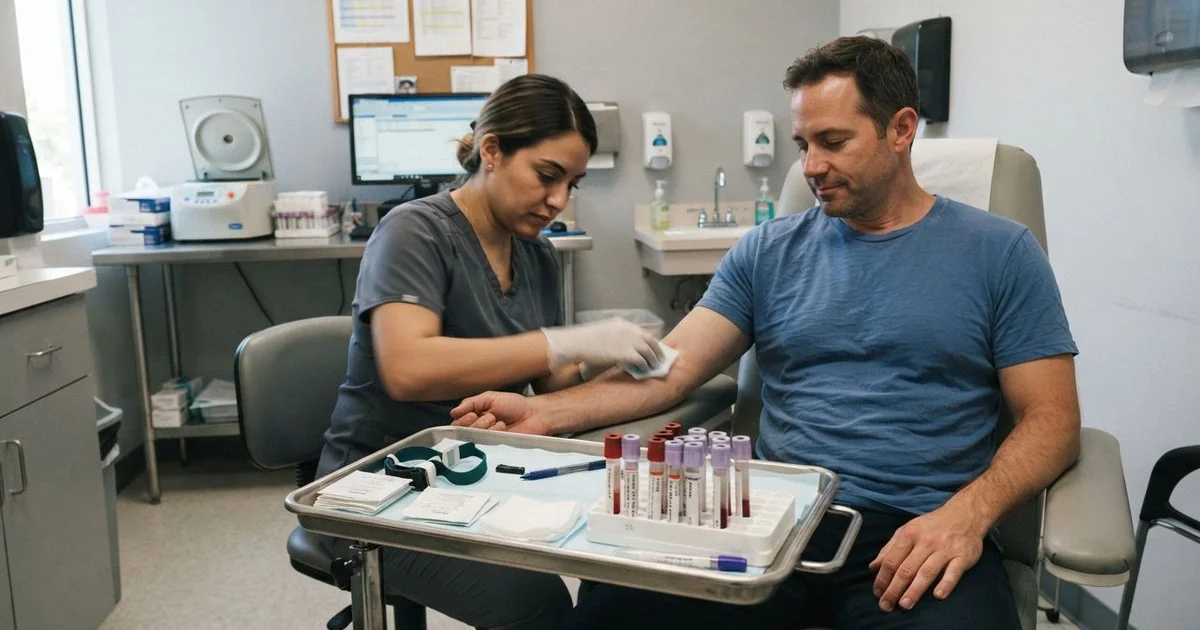
Ongoing monitoring is what separates responsibly managed TRT from a prescription handed out with no follow-up. The labs aren’t a formality, they’re how a provider catches problems early and confirms your dose is actually doing what it’s supposed to. It’s also one of the clearer ways to tell strong TRT providers in Miami apart from ones cutting corners. Here’s what a proper monitoring schedule looks like and what each test is watching for.
This is general health information, not medical advice. Your specific monitoring schedule should come from your treating provider based on your labs and health history.
The core panel
A thorough TRT monitoring panel checks more than just testosterone. Here’s what’s typically included and why each one matters.
| Test | What it measures | Why it’s tracked |
|---|---|---|
| Total and free testosterone | Overall and biologically active hormone levels | Confirms your dose is landing in the target range |
| Estradiol (E2) | Estrogen produced from testosterone conversion | Catches estrogen-related side effects early |
| Hematocrit and hemoglobin | Red blood cell concentration | Flags elevated clotting risk before it becomes dangerous |
| PSA | Prostate-specific antigen | Screens for prostate changes, especially in men over 40 |
| LH and FSH | Pituitary signaling hormones | Useful at baseline and if fertility is a concern |
A realistic monitoring timeline
Most protocols follow a similar general shape, though your clinic’s specific schedule may vary based on your starting labs and how you respond to treatment.
Baseline, before starting. A full panel establishes your starting point and confirms a low-T diagnosis before any prescription is written. If you haven’t been through that first visit yet, the guide to your first TRT consultation walks through what that appointment typically covers.
Around 8 to 12 weeks in. The first follow-up panel after starting therapy, timed to let your levels stabilize on your initial dose rather than testing too early and getting a misleading read.
Every 3 to 6 months during the first year. Once your dose is dialed in, most clinics settle into a routine cadence, checking testosterone, estradiol, and hematocrit at minimum.
Annually once stable. For patients on a long-stable protocol with no red flags, some clinics shift to a yearly full-panel check alongside more frequent spot checks of hematocrit specifically, since that value can drift even when everything else looks fine.
Why this schedule matters more than it might seem
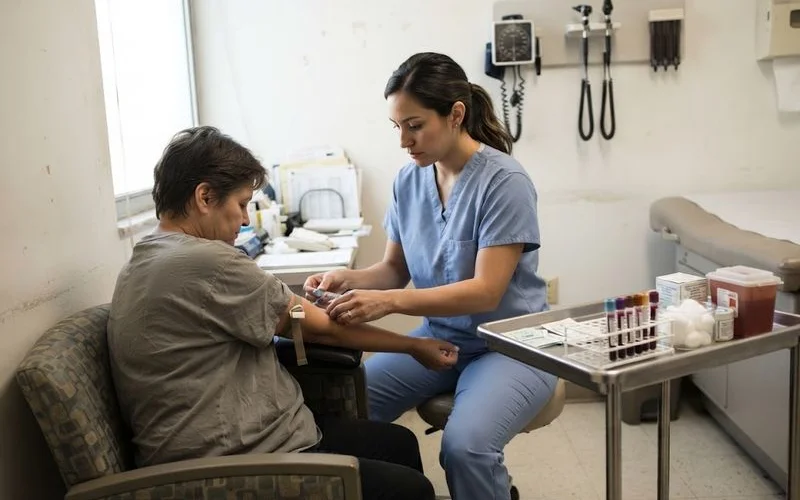
Skipping or stretching out monitoring intervals is one of the more common ways TRT goes wrong, not because the therapy itself is dangerous, but because problems like elevated hematocrit or estrogen-related side effects are easy to miss without regular labs and easy to manage if you catch them early. A clinic that pushes you toward less frequent monitoring than this to save money, without a clear clinical reason, is cutting a corner that matters.
On the other side, redundant or excessive lab work that doesn’t change your treatment plan is its own kind of complaint some patients report, so the goal isn’t maximum testing, it’s testing on a schedule that actually informs decisions about your protocol.
Reading your own results without panicking
It helps to know roughly what a normal range looks like before your first result lands, so a slightly elevated number doesn’t feel alarming out of context. Total testosterone in the normal range for adult men typically falls somewhere between about 300 and 1,000 ng/dL, though the exact reference range varies by lab. Hematocrit generally sits between 41 and 50 percent for men, with levels above roughly 54 to 55 percent prompting closer attention. PSA under 4 ng/mL is the commonly cited normal threshold, though age and individual factors shift what’s worth flagging. None of these numbers replace a provider’s interpretation of your specific results, but knowing the rough ranges makes the conversation with your provider easier to follow.
What to ask your clinic
Before starting, ask what your specific monitoring schedule will look like, which labs are included at each check-in, and how quickly you’ll hear back if something needs adjusting. A provider who can answer this clearly, rather than vaguely promising “regular check-ins,” is a good sign you’re working with a clinic that takes monitoring seriously.
You can review the full Miami TRT directory, including telehealth options, and see our methodology for how monitoring quality factors into each clinic’s score.
FAQ
- How soon after starting TRT should I get follow-up labs?
- Most protocols schedule the first follow-up panel around 8 to 12 weeks after starting, once your levels have had time to stabilize on the new dose. Testing too early can produce misleading numbers that don't reflect your steady-state levels.
- Do I need to fast before TRT lab draws?
- Testosterone itself doesn't require fasting, but if your panel includes metabolic markers like glucose or lipids, your clinic may ask you to fast beforehand. Confirm with your specific clinic when you schedule.
- What happens if my hematocrit comes back too high?
- Your provider will typically adjust your dose, space out your injections, or recommend therapeutic blood donation to bring it back into a safe range, then recheck it on a shorter interval to confirm it's trending down.
- Can I get this bloodwork done anywhere, or does it have to be at the clinic?
- Many clinics use a partner lab or allow you to use any accredited lab and send results over, particularly for telehealth providers. Ask your clinic directly what's accepted.